

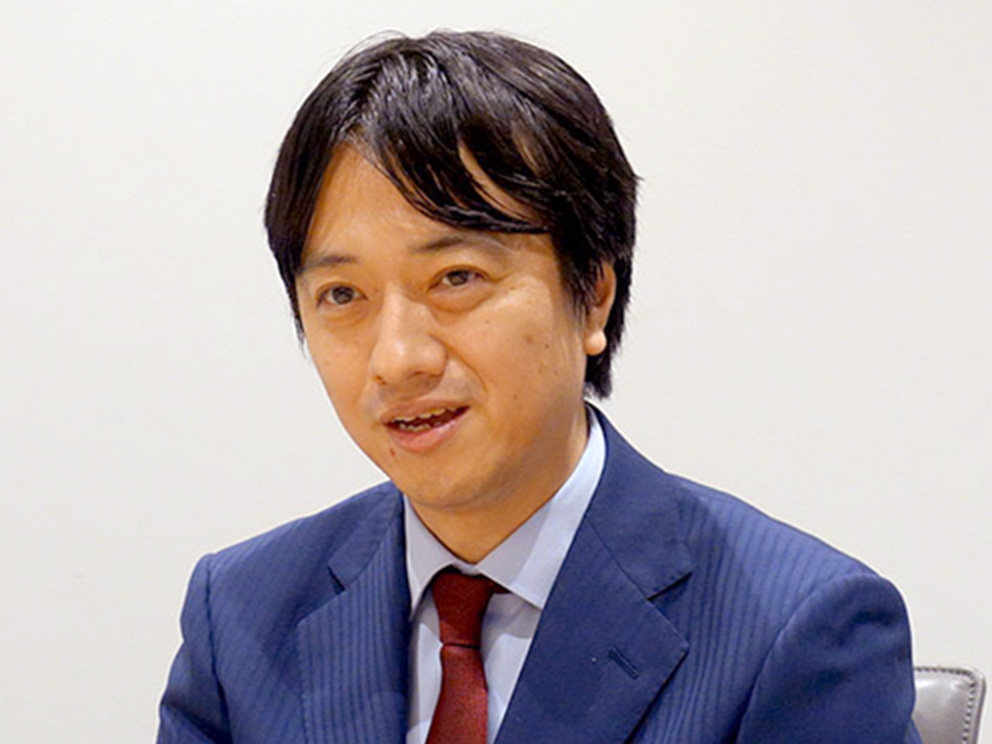
A PBR below 1 indicates “insufficient appeal.
The Amundi Target Japan Strategy composite was established in August 2000, and I have been responsible for its management since 2005.
As of the end of September 2025, the assets under management totaled approximately 190 billion yen.
My approach is a value-investing style: from among companies whose PBR (price-to-book ratio) is below 1.0, I identify those with businesses that hold medium- to long-term competitive advantages.
Through dialogue with management, I propose measures to improve management practices and aim for stock price growth.
What I prioritize is management’s attitude toward engagement.
If a company does not listen to investors and incorporate that feedback into management decisions, it will be difficult for them to update their governance in line with the fast pace of social change.
For example, companies where the executive talks nonstop during a one-hour meeting and shows no interest in listening to us are difficult to invest in.
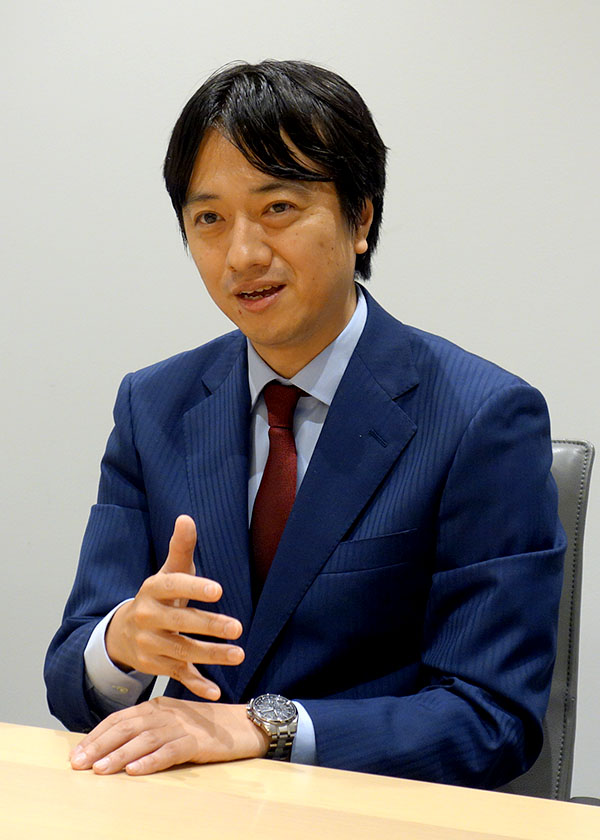
Equity Investment Department, Investment Division
Amundi Japan
Naofumi Harukawa
When a company’s PBR falls below 1.0, one reason is “insufficient appeal.”
Even in integrated reports, simply listing numerical data does not leave an impression on investors.
Companies should communicate more proactively—using concise, TV-commercial-like messages such as:
“Our components are highly valued for their quality and trusted by manufacturers around the world. We are positioned for medium- to long-term growth.”
What I focus on is the “business withdrawal criteria.”
In Itochu Corporation’s integrated report, the criteria for selecting businesses for exit are clearly stated as:
① Three consecutive fiscal periods of cumulative losses
② Returns falling significantly below the investment plan
③ Three consecutive fiscal periods of cumulative negative added value
No business can continue increasing its revenue and profit forever.
When withdrawal criteria are clearly disclosed to external stakeholders such as investors, it demonstrates that the company has strong governance structures in place.
Quickly Announcing Policy Revisions Without Hesitation
Takara Standard, known for its enamel products for kitchens and other water-related areas, changed its president in 2024—the first leadership change in 21 years.
Since the new president took office, the number of investor briefings, including those for individual investors, has increased, and the company has begun appearing frequently in business magazines and other media.
As institutional investors encounter them more often, they naturally start to think, “Maybe we should request a briefing or an interview.”
The indicator most closely watched by overseas investors is ROE (Return on Equity).
If a company’s ROE is low compared to global peers, investors conclude:
“Even if we invest, we cannot expect scale-up or shareholder returns. The market won’t pay attention, so liquidity will likely be low.”
Such companies are not even considered as investment candidates.
The speed at which ROE improves is also critical.
In October 2024, Kyocera announced that it would sell about one-third of its holdings of KDDI shares over the next five years.
When investor reaction was negative, the company revised the plan just four months later to “about one-third over the next two years,” which instead raised expectations.
Shizuoka Financial Group, during its investor briefing in the first half of 2024, made few references to ROE, resulting in stagnant share prices.
However, when it announced in May the following year that it would raise ROE to one of the highest levels in the industry, its stock price rose at a rate exceeding the average of listed regional bank groups.
These cases show how important it is for companies not to hesitate to revise their policies, and to promptly implement capital strategies and value-enhancing measures that both the company and investors can agree on.
I hope to see even more Japanese companies take such swift and decisive actions.