

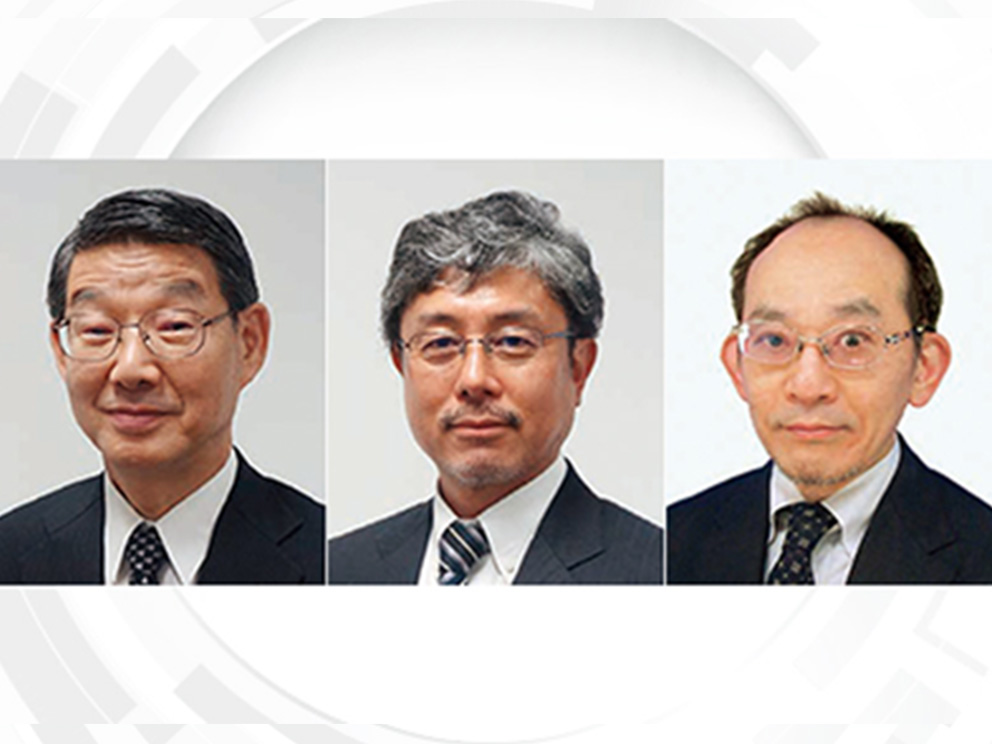
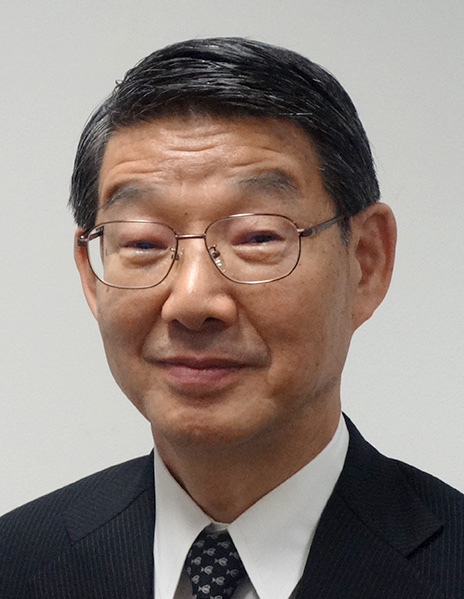
Chairman & Representative Director
Institutional Investors Collective Engagement Forum
Yuki Kimura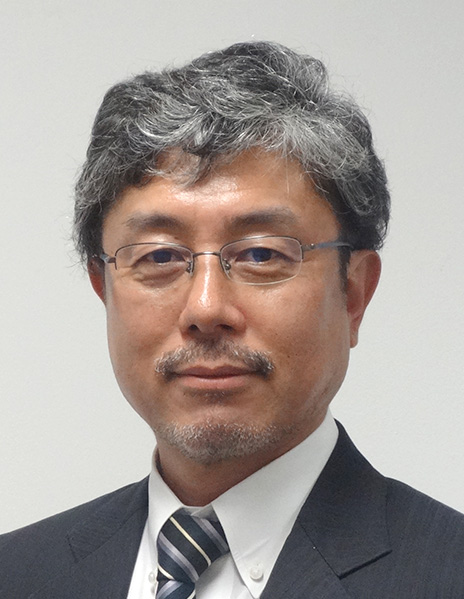
Executive Director & Secretary-General
Institutional Investors Collective Engagement Forum
Naomi Yamazaki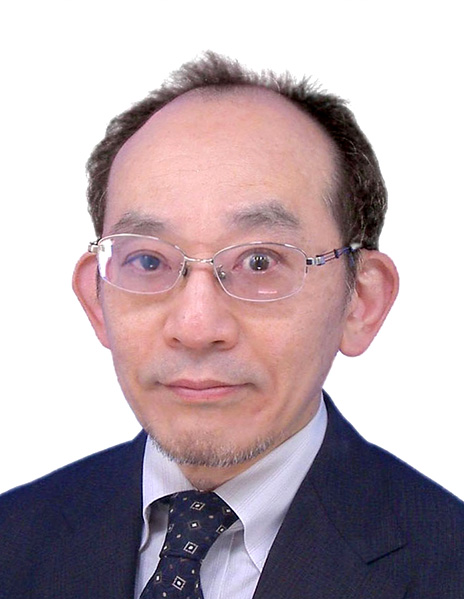
Director
Institutional Investors Collective Engagement Forum
Hiromitsu Kamata
We Sent Letters to About 2,500 Companies
Engaged in Discussions With Approximately 120 of Them
The Institutional Investors Collective Engagement Forum, a general incorporated association, was established in October 2017 following the revision of the Japanese Stewardship Code, which added the view that “collective engagement can also be beneficial.” The Forum aims to support collaborative dialogue (collective engagement) between institutional investors and companies.
As of the end of October 2025, seven asset management firms and other institutions that invest broadly in Japanese equities participate in the Forum. The secretariat facilitates the process, and participating long-term institutional investors conduct collaborative dialogue to enhance corporate value over the long term. The collaborative engagement process consists of the following three steps:
1. Setting the agenda for dialogue and forming a shared view through discussions among the participating institutional investors 2. Sending letters conveying the shared view 3. Holding meetings (collaborative dialogues)
“In the seven years through 2024, we sent letters to roughly 2,500 companies, and held about 120 meetings, including online discussions. “There have been cases where it took as long as two years from sending the letter to completing the preliminary coordination with the company and finally holding the meeting. In the letters, we include the background behind the investors’ shared views to prompt companies to recognize and reflect on the issues. We make an effort to ensure that the content is understandable simply by reading the letter, and we are not requesting meetings with every recipient.” — Yuki Kimura, Chairman of the Institutional Investors Collective Engagement Forum
In the Future, the Role of Outside Directors in Management Will Also Become a Key Theme
One benefit for companies that agree to participate in meetings is that they can engage in efficient and in-depth dialogue with multiple institutional investors based on the content of the letter sent in advance.
“By having thorough discussions on specific agendas—such as responses to the Corporate Governance Code, sustainability, and management that is conscious of capital costs and stock prices—mutual understanding with investors deepens.Going forward, we expect the role of outside directors in management to become an important theme as well.”
— Hiromitsu Kamata, Director of the Institutional Investors Collective Engagement Forum
Some completed cases of collaborative dialogue are published on the Forum’s website as dialogue examples.
When people hear about engagement between asset management firms and companies, they often picture active fund managers working to improve the performance of the funds they manage.
However, Naomi Yamazaki, Executive Director and Secretary-General of the Institutional Investors Collective Engagement Forum, explains the following after noting that the Japanese Stewardship Code states that passive managers should also proactively engage: “The purpose of engagement by passive managers and other institutions that broadly hold Japanese equities is to lift the overall index, which naturally makes shared, economy-wide themes among Japanese companies the main focus.
By conducting ‘purposeful dialogue’ that goes beyond the boundaries of individual asset management firms and aims to enhance long-term corporate value, we believe this leads to the sustainable growth of Japanese companies as a whole.”
Participating Institutional Investors (as of the end of October 2025)
•Dai-ichi Life Insurance Company, Limited
•Sumitomo Mitsui DS Asset Management Company, Limited
•Sumitomo Mitsui Trust Asset Management Co., Ltd.
•Mitsubishi UFJ Trust and Banking Corporation
•Meiji Yasuda Asset Management Company, Limited
•Resona Asset Management Co., Ltd.
(Listed in the Japanese alphabetical order)
Items for Corporate Value Evaluation
- 1. Does the company have strong profitability? [Capital Efficiency]
Sources of value creation; business model; profit structure; capital returns exceeding the cost of capital. - 2. Is there confidence in the company’s growth? [Growth Potential]
Growth opportunities; growth strategy; required managerial capital and resource allocation; portfolio management. - 3. Is risk management appropriate?[Cost of Capital]
Operational and strategic risks (including sustainability); adequacy of risk controls. - 4. What is the company’s stance toward capital markets, governance, corporate culture, and the commitment of top management?
[Cost of Capital]